Acupuncture NYC · Midtown Manhattan & Westchester, NYNYC's most integrative
acupuncture practice.
One team. Every dimension.
Dr. John Crawford is one of the few practitioners in New York dually licensed in both acupuncture and chiropractic, bringing an unusually broad perspective to care while working closely with Dr. Jan Lefkowitz on the structural side of the body. Start with acupuncture on its own, or go deeper with a more integrative experience.
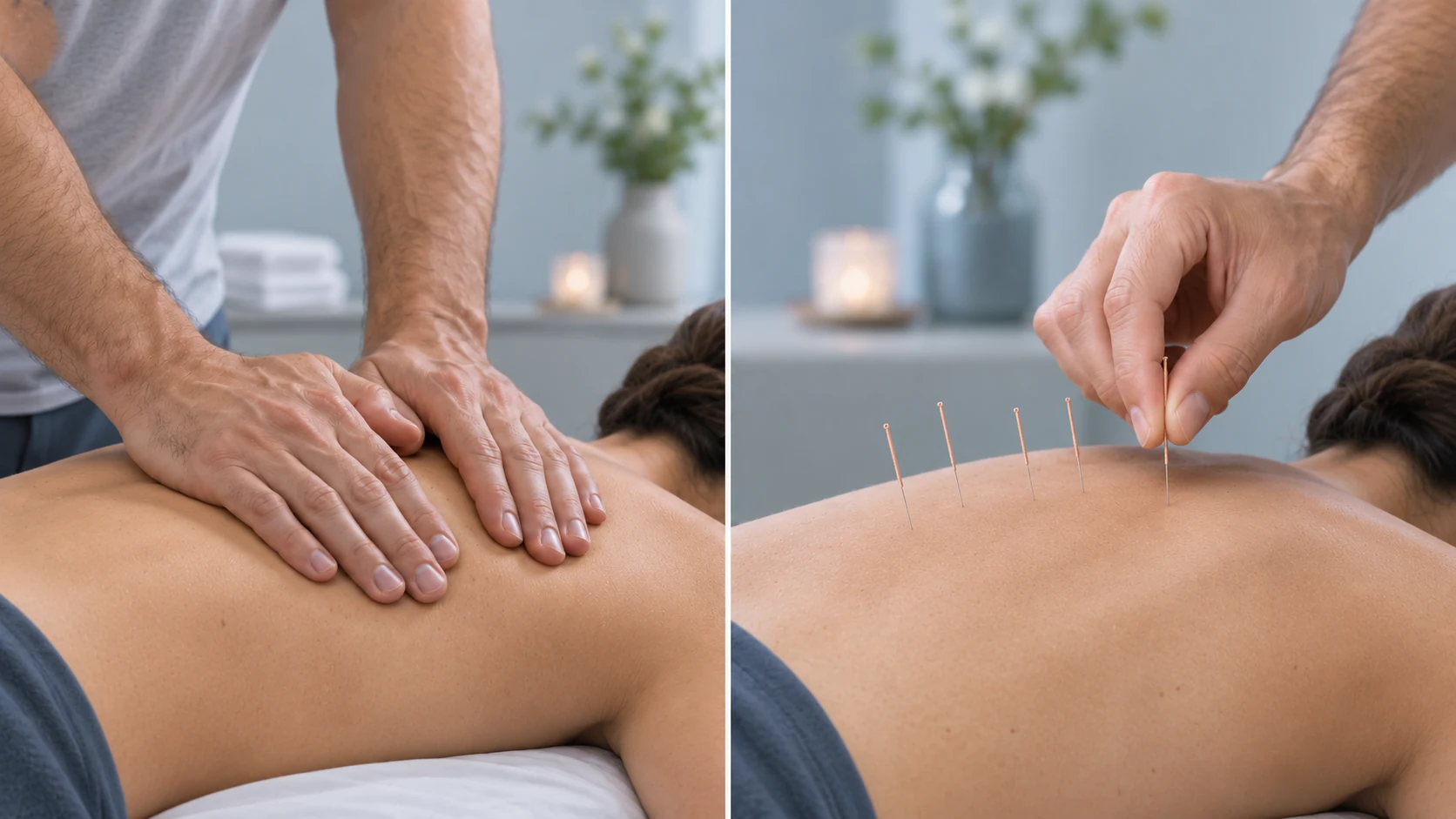
Acupuncture in NYC & Westchester, NYAcupuncture alone. Or a deeper integrative experience.
Some patients come to Body in Balance for acupuncture alone. Others choose a more comprehensive approach that brings together acupuncture, chiropractic, movement, and mind-body healing.
Dr. Crawford works closely with Dr. Jan Lefkowitz, allowing structural, postural, and movement-based care through MAPS™ to be coordinated with acupuncture and the energetic side of healing. Together, they can explore different dimensions of a patient's health within one integrated approach.
“Optimal health is shaped by so many interconnected factors: our structural alignment, muscles, posture, nervous system, nutrition, stress, emotions, and past experiences.
By bringing different healing disciplines together, we can see a more complete picture of each person and address their health from multiple angles. We believe that's where the real power of integrative care comes from.”
Curated acupuncture experiences you won't find anywhere else in NYC.
Sessions that combine his disciplines in ways no single modality achieves alone. These are among the most requested and most transformative experiences our patients have.
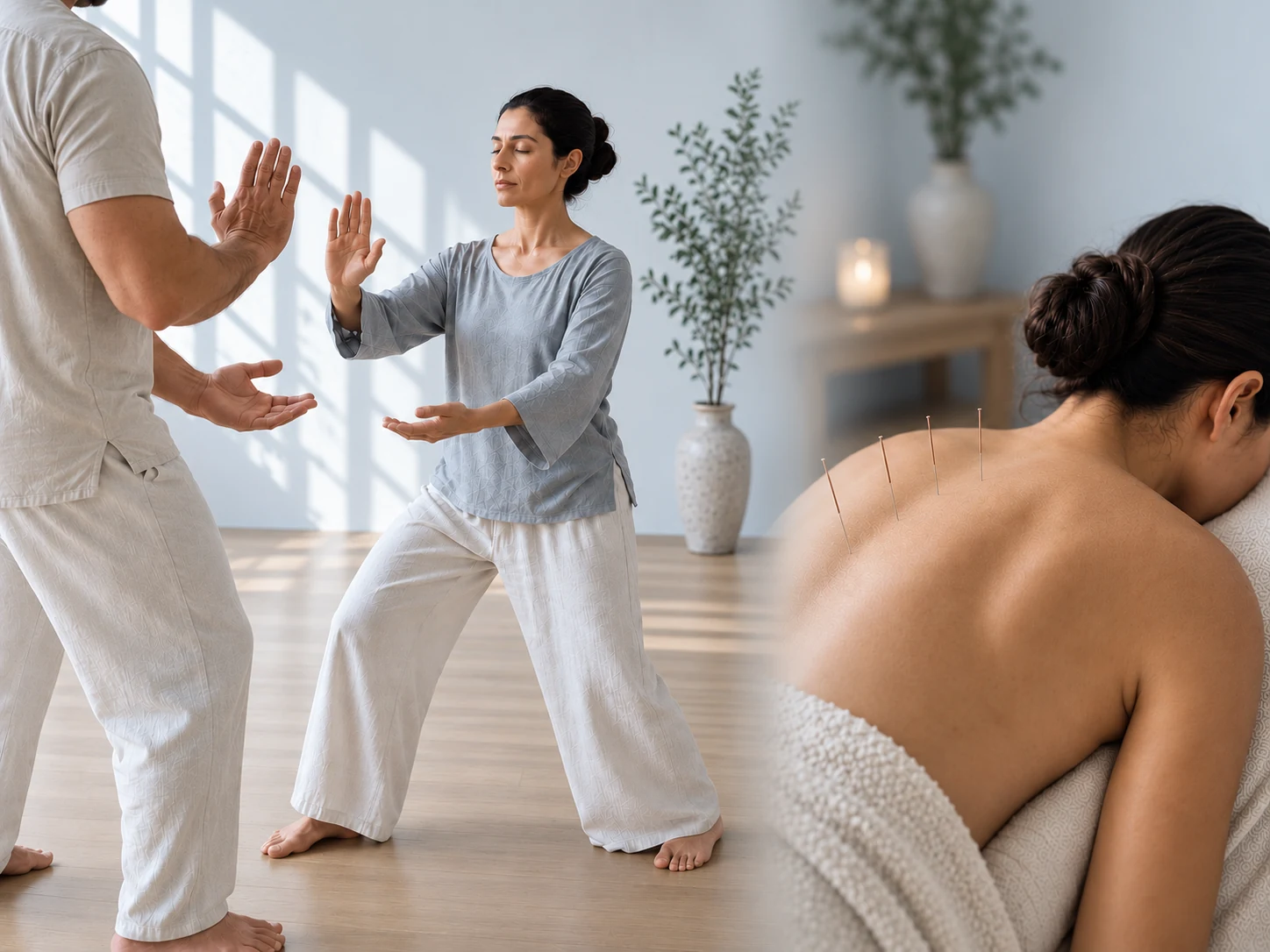
Qi Gong + Acupuncture
A one-on-one Qi Gong session in our private studio uses movement, breath, and focused awareness to encourage circulation, energetic flow, and mental calm. Then you move directly into acupuncture, where the body becomes still and those same energetic pathways are treated more precisely. The sequence can create a deeper sense of grounding, connection, and relaxation.
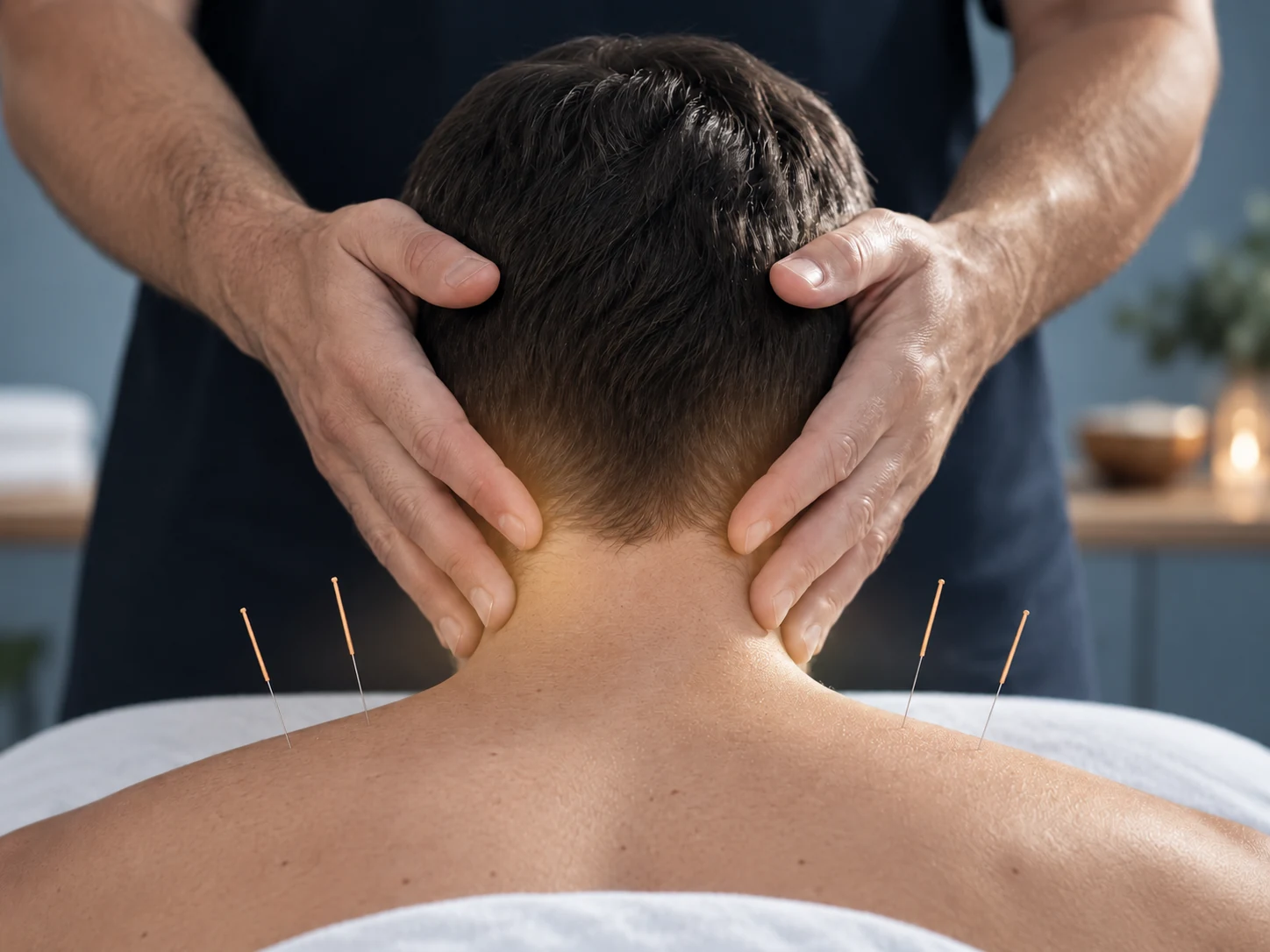
Acupuncture + Reiki
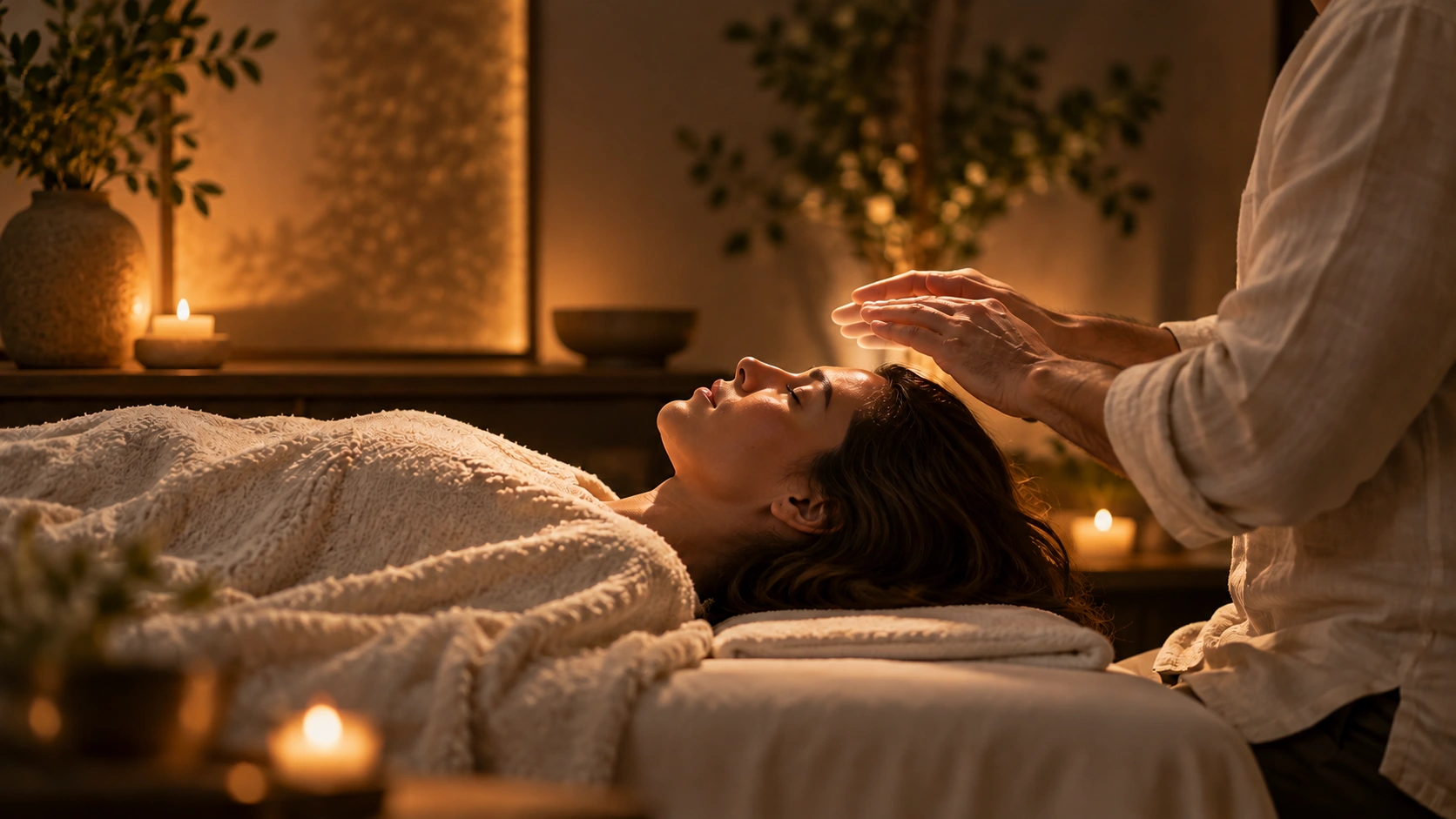
Acupuncture supports the physical and emotional aspects of healing, while Reiki brings in the mental, spiritual, and intuitive dimensions. Together, they create an especially restorative, nourishing, and grounding experience. Dr. Crawford finds that Reiki and intuitive guidance can deepen the way the body receives and responds to acupuncture, creating a more immersive and whole-person treatment experience.
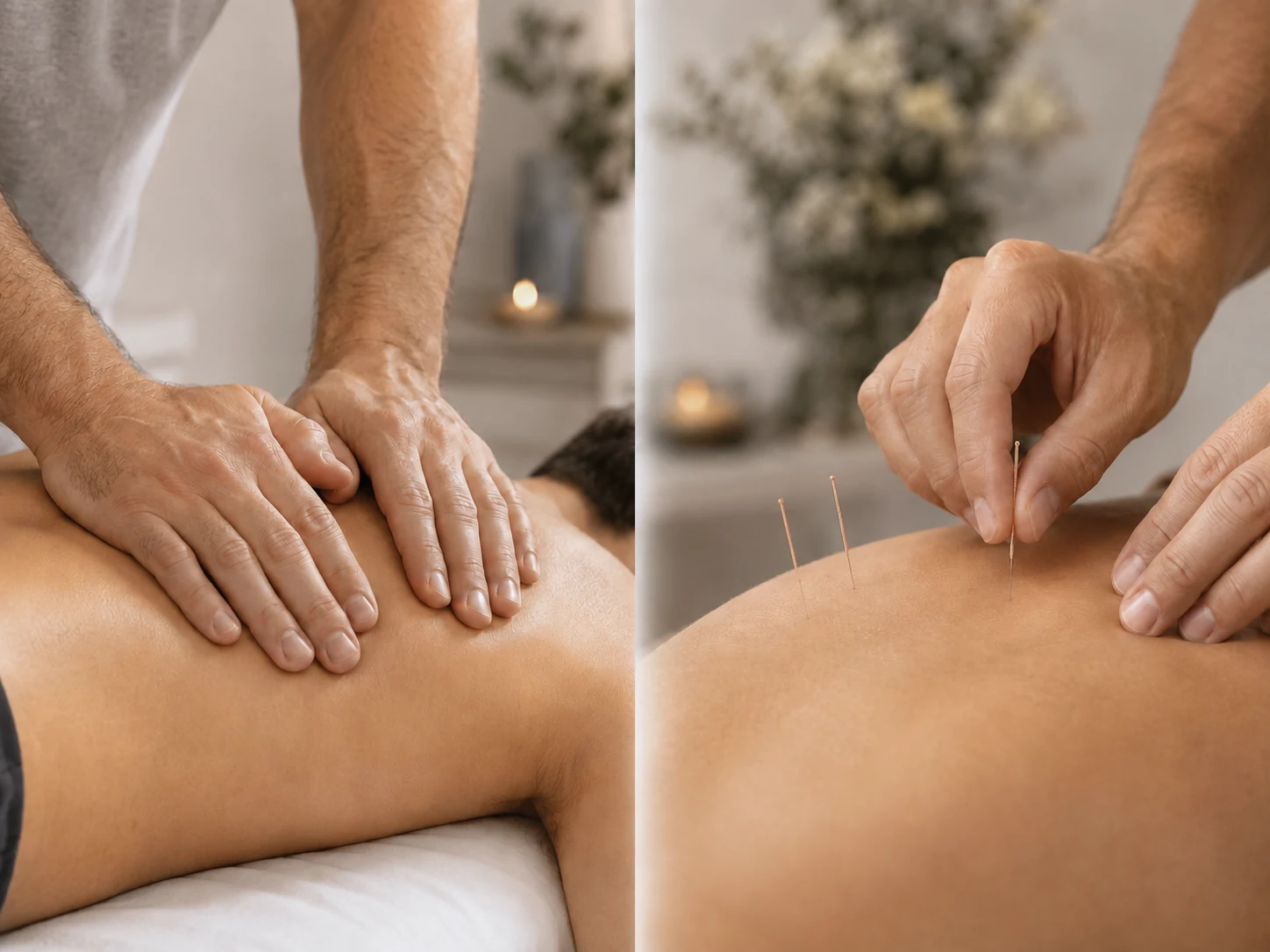
Chiropractic + Acupuncture
Chiropractic and acupuncture create a unique connection between external and internal healing. Chiropractic restores movement and flow through the musculoskeletal system, while acupuncture supports internal energetic flow and regulation. Because Dr. Crawford is licensed in both disciplines, he can work with the structural and energetic sides of the body together in the same session.
The Mind Body Spirit Session
Dr. Crawford's most comprehensive offering — and the one that most fully expresses who he is as a healer. Every dimension of his training in a single personalized experience. No two sessions are alike.
Reserved for patients ready to work at every level at once: physical, energetic, emotional, and spiritual.
“I continue to discover the ways in which physical imbalance and over- or under-compensation are really manifestations of long-standing mental habits and defenses. The work with both of you continues to be freeing—physically and psychologically.
There is something incredibly special and sacred about the healing practice that you’ve cultivated individually and collectively.
The world would be a more peaceful place if we were all more fully adjusted!”
NYC Acupuncture: Conditions We Treat
People come to acupuncture for many different reasons — from pain and physical symptoms to stress, sleep, nervous-system regulation, and a deeper mind-body approach to health.
Stress can influence muscle tension, sleep, breathing, pain sensitivity, and how the nervous system responds. Dr. Crawford's unusually broad training allows him to look beyond the symptom itself and explore the physical, neurological, emotional, and energetic patterns that may be contributing.
Meet Your NYC AcupuncturistDr. John Crawford,
DC, LAc
Chiropractor · Licensed Acupuncturist · Hypnotherapist · Reiki Master · Shamanic Healer · Qi Gong Teacher · High-Performance Coach · Swami
Dr. Crawford brings something genuinely rare to every patient encounter: two complete clinical disciplines, fully integrated in a single practitioner.
As one of the few clinicians in New York State licensed in both chiropractic and acupuncture, he approaches the body from multiple systems at once — structural, neurological, and energetic — without the fragmentation of seeing multiple providers.
Your First NYC Acupuncture SessionWhat acupuncture actually feels like
Almost everyone asks the same question first, so let's answer it plainly. Acupuncture needles are roughly the width of a human hair — nothing like a needle used for injections or blood draws. Around forty would fit inside a single hypodermic.
Most people feel a brief moment of pressure on insertion, then nothing sharp at all. What follows is a dull heaviness, warmth, or slow spreading sensation around the point. Practitioners call this de qi, and it's the sign the point is doing its work.
Needles stay in for roughly 20–30 minutes while you rest. Many patients fall asleep.
Afterward, most people feel relaxed and a little heavy-limbed for an hour or two. Some feel an immediate change in their symptom; others notice it the next morning. Both are normal.
What we hold ourselves to
Single-use sterile needles, always. Every needle is pre-sterilized, used once, and disposed of immediately. Nothing is ever reused.
Licensed, not certified. Dr. Crawford holds a full New York State acupuncture license and a Master of Science in Acupuncture and Oriental Medicine — a different standard from a weekend needling certification.
We refer out when we should. Acupuncture is not the answer to everything. If your presentation suggests something that needs imaging, medication, or a surgical opinion, you'll be told directly.
How acupuncture works — and what it actually does
Acupuncture is the insertion of very fine, sterile, single-use needles at specific points on the body. In traditional Chinese medicine those points sit along meridians — pathways through which vital energy, or qi, is understood to flow.
Western research describes the same effects in different language: a needle creates a small, controlled mechanical signal in connective tissue that the nervous system responds to. Both descriptions point at the same thing from different directions.
What that means practically — acupuncture doesn't mask a symptom the way a painkiller does. It prompts your own systems to do something they had stopped doing well.
It calms the nervous system
Acupuncture stimulates sensory nerves and influences pathways in the brain and spinal cord involved in pain, stress, and autonomic regulation. Many patients experience a profound sense of relaxation during treatment. In our practice, patients frequently report sleeping better, feeling less anxious, and experiencing a greater sense of calm as their care progresses.
It reduces inflammation
Research suggests acupuncture can influence some inflammatory signaling pathways and may help reduce pain associated with certain musculoskeletal conditions. That does not necessarily mean it repairs an injured disc or joint, but it may be one part of helping patients manage symptoms and move more comfortably.
It changes how pain is processed
Chronic pain isn't only tissue damage — the nervous system learns the pain and keeps broadcasting it after the injury has healed. Acupuncture appears to interrupt that learned signaling, which is why it often helps conditions where scans look unremarkable but the pain is entirely real.
It increases local circulation
Acupuncture stimulates local blood flow and microcirculation in the tissues surrounding the needles. This increased circulation may help ease muscle tension, support tissue health, and improve comfort in tight, overworked areas.
Effects are cumulative. A single session can bring real relief, but acupuncture builds on itself — which is why we recommend a defined course rather than one appointment and a hopeful goodbye.
Curious about the emerging science behind acupuncture? See the latest research below.
The Science of AcupunctureAncient wisdom. Modern evidence.
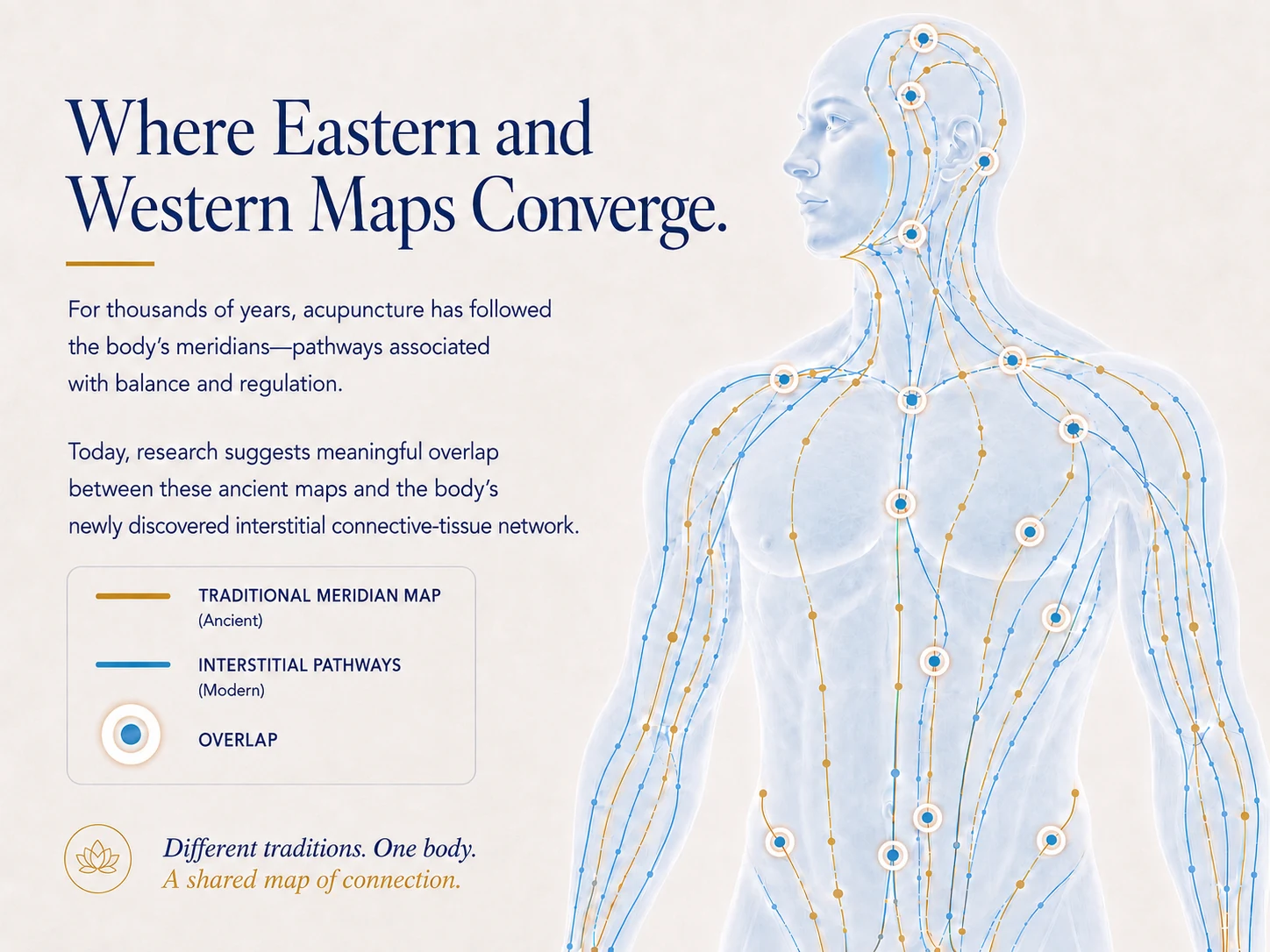
For thousands of years, traditional Chinese medicine has described the body through interconnected pathways known as meridians. Modern researchers are now investigating whether aspects of those ancient descriptions correspond to anatomical structures we can observe and measure.
In May 2026, The New York Times Magazine published “Inside the Interstitium, the Human Body’s Hidden Pathways”, exploring a network of fluid-filled spaces within connective tissue throughout the body. The article highlighted a 2021 study coauthored by Dr. Andrew Ahn of Harvard Medical School and researchers in China. They injected fluorescent dye into an acupuncture point on the inner forearm and observed it traveling through tissue along a pathway closely resembling the traditional pericardium meridian.
Other studies have found intriguing relationships between acupuncture points and connective-tissue planes. These findings suggest that fascia and the interstitium may help explain some of acupuncture's biological effects, although the precise mechanisms and their relationship to traditional meridians remain under investigation.
The emerging picture is fascinating: acupuncture may influence the body through several interacting systems, including sensory nerves, connective tissue, and the pathways involved in processing pain.
Fascia can influence how tension, movement, and pain travel through the entire body.
Fascia is a continuous connective-tissue network that surrounds and connects muscles, joints, nerves, and other structures throughout the body. When portions of that network become restricted or overloaded, they can alter movement, pull other areas out of balance, and contribute to pain far beyond the place that hurts.
That is why fascia is a core layer of the MAPS™ approach. We combine structural alignment with targeted myofascial work to restore mobility and better distribute tension through the system. For many patients, addressing this often-overlooked layer can be the piece that finally allows the body to move with less strain and pain.
The interstitium adds another dimension to this. These fluid-filled spaces run through connective tissue, helping explain why acupuncture and myofascial work may influence overlapping anatomical pathways from different directions.
Learn more about MAPS™ →Ready for the
full R.I.S.E. experience?
For patients ready to address every dimension at once, our R.I.S.E. Mind Body program brings the entire team together around you.
Acupuncture, chiropractic correction, myofascial therapy, energy healing, Qi Gong, and guided meditation — fully integrated in a single personalized plan.
What our patients say
4.9 stars · 200+ verified Google reviews for Body in Balance
“John Crawford puts the ‘whole’ back into holistic.”
I was impressed and delighted to find healing for body, mind and spirit under one roof at Body in Balance. Dr. Crawford’s training in chiropractic and acupuncture is informed by extensive training in a multitude of additional techniques. I have experienced his deft use of hypnotherapy, shamanic healing, medical massage, and coaching; my experiences with him, and with Erika, changed my life.
Acupuncture in Midtown NYC & Westchester, NY
2 W 45th St Ste 1002
New York, NY 10036
Steps from Grand Central Terminal. Convenient to Bryant Park, Times Square, and Rockefeller Center. Our Midtown acupuncture office serves patients from across Manhattan and the surrounding area.
3010 Westchester Ave Ste 404
Purchase, NY 10577
Our Purchase office serves patients from across Westchester, including Bedford, Scarsdale, Rye, Harrison, White Plains, Armonk, Greenwich, CT, and surrounding communities.
NYC Acupuncture FAQs
Ready to experience what a real
integrative practice feels like?
A complimentary 15-minute phone consultation to learn what you’re dealing with, answer your questions, and determine whether our approach is a good fit.
Book Free ConsultationCall or text (212) 371-5788 · Midtown Manhattan & Westchester